
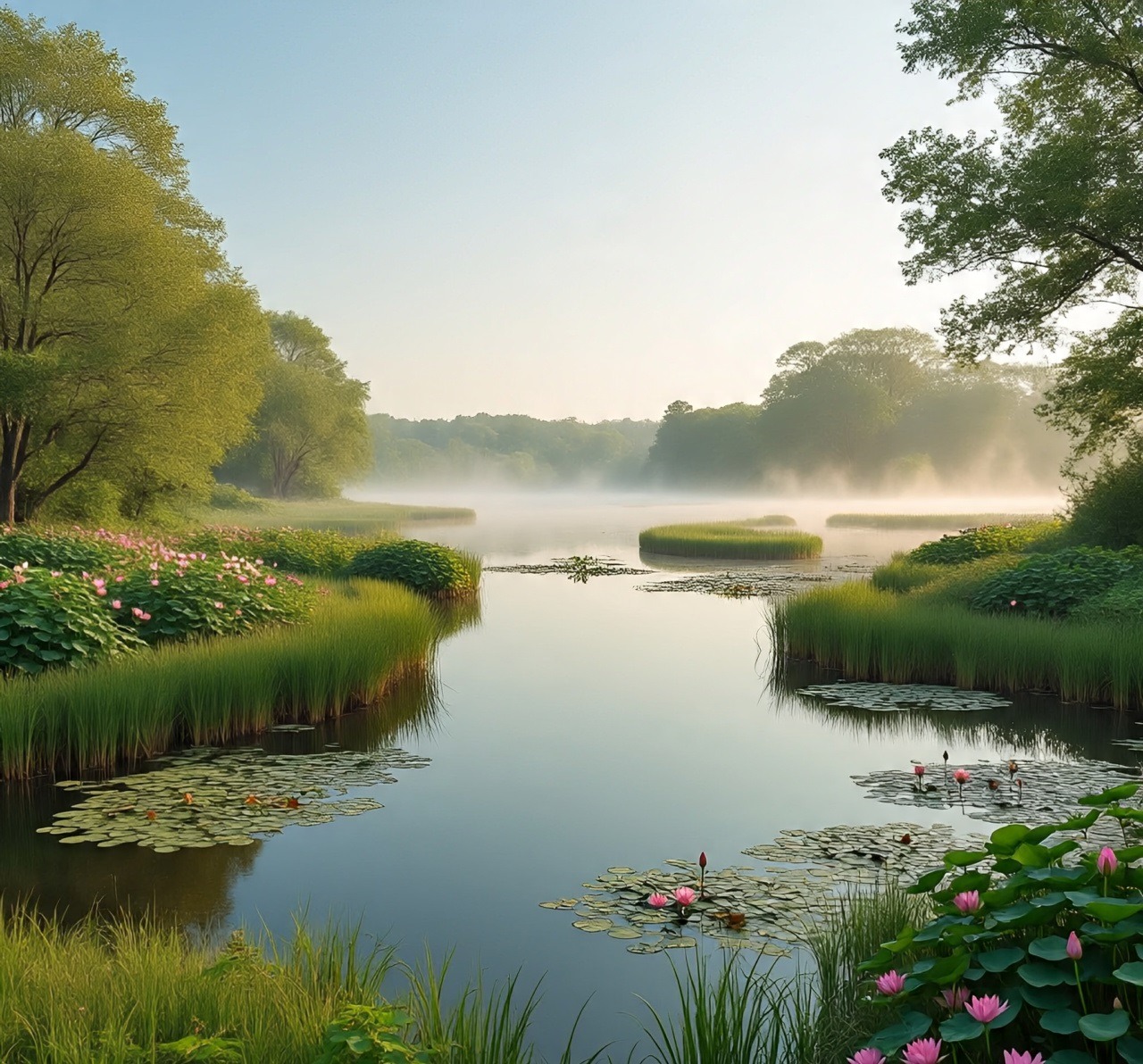
 Introduction: In early 2026, a landmark United Nations report titled “Global Water Bankruptcy” sent shockwaves through the international community. The message was blunt: humanity is no longer just facing a “crisis.” We are effectively insolvent, consuming our water capital faster than the Earth can replenish it.
At the heart of this financial collapse lies the disappearance of our most undervalued asset: Wetlands.
For centuries, we dismissed marshes, swamps, and bogs as “wastelands”—smelly, disease-ridden obstacles to progress that needed to be drained and paved. Today, we’re realizing that was a trillion-dollar mistake. Wetlands are the “biological kidneys” of our planet and the only insurance policy we have against a total systemic collapse.
1. The 2026 UN Report: Redefining “Water Stress”
The term “Global Water Bankruptcy,” coined by UN scientists like Professor Kaveh Madani, signals a permanent shift in how we view our resources. We aren’t just “short on cash”; we are liquidating the vault.
-
The Debt: We’ve lost roughly 410 million hectares of natural wetlands in the last 50 years—an area nearly the size of the European Union.
-
The Interest: As wetlands vanish, we lose the ability to recharge our aquifers. This has caused the ground to literally sink in 5% of global land areas, affecting 2 billion people.
-
The Insolvency: 75% of us now live in water-insecure countries. We’ve stopped living off the “interest” (annual rainfall) and started draining the “principal” (ancient glaciers and deep aquifers).
2. Why Wetlands are “Biological Supermarkets”
Far from being useless, wetlands are among the most productive ecosystems on Earth, rivaling coral reefs and rain forests.
They function as biological supermarkets, providing the massive volumes of food that support global food webs. Despite covering only 6% of the Earth’s surface, they are home to 40% of all global species. Without the “nursery effect” of mangroves and salt marshes, our commercial seafood supply would effectively collapse. From an economic lens, the UN estimates that losing these ecosystem services costs us $5.1 trillion annually—roughly the GDP of 135 of the world’s poorest nations combined.
3. The “Kidneys” of the World: Natural Filtration
One of the most human reasons to care about wetlands is water quality. They act as a massive, free-of-charge filtration system:
-
Sediment Trapping: Wetland plants slow down water, allowing silt to settle.
-
Nutrient Cycling: Plants and microbes absorb excess nitrogen and phosphorus from farm runoff, preventing the toxic “dead zones” we see in our oceans.
-
Toxin Removal: They can even filter out heavy metals, ensuring the water reaching our rivers is actually safe to drink.
4. Our Best Shield Against Climate Change
As the climate shifts, wetlands have become our most effective “Nature-Based Solution” for survival.
-
Carbon Traps: Peatlands store twice as much carbon as all the world’s forests combined. But there’s a catch: when we drain them, they flip from being carbon “sinks” to massive carbon “emitters.”
-
Natural Sponges: A single acre of wetland can store up to 1.5 million gallons of floodwater, protecting homes and infrastructure during heavy storms.
-
Storm Buffers: Mangroves act as physical walls, absorbing the energy of waves and protecting coastal towns from tsunamis and storm surges.
5. From Bengaluru to Mexico City: The Real-World Cost
Water bankruptcy isn’t a theory; it’s a reality for cities that paved over their life-support systems.
-
Bengaluru: Once known as the “City of Lakes,” aggressive paving has destroyed its wetland network. Now, the city faces a “Day Zero” reality, with residents forced to drill 1,500 feet deep just to find a drop of water.
-
Sinking Cities: In Mexico City and Jakarta, the loss of wetlands has caused the ground to sink by as much as 30 cm per year.
6. Managing the Bankruptcy: How Do We Fix It?
If we want to “balance the books,” we have to stop treating nature like a bottomless ATM.
-
“No Net Loss” Policies: Governments must mandate that any wetland destroyed must be replaced by a larger, healthier restoration project elsewhere.
-
Grey Water Recycling: By reusing household water, we can reduce pressure on freshwater ecosystems by up to 40%.
-
Restoring the Flow: This isn’t just about planting trees; it’s about removing dams, DE-paving our cities, and letting rivers reconnect with their floodplains.
Conclusion: A New Agenda for Survival
The 2026 UN report is our final notice. You cannot “bail out” a dry planet. By recognizing that a “swamp” is actually a high-functioning life-support system, we can begin the difficult work of balancing our hydro logical books.
Protecting a marsh today might just be the most profitable investment we ever make for the next generation.